Changes to Import Controls Pesticide Risk - CIR 2018/1660
15 December 2018
Revision of EC law - changes to pesticide controls from 08 December 2018
The European Commission have published Commission Implementing Regulation (EU) No 2018/1660 which consolidates the list of food and feed subject to emergency controls at the port in relation to pesticide contamination. These changes apply from the 8th December 2018. The products affected by the changes have been identified below. A common entry document (CED) will need to be submitted for all consignments to a DPE (designated point of entry) at least one day prior to vessel arrival and sampling will be carried out in accordance with the published frequencies. All CEDs must now be submitted on TRACESControlled Products
During the production of food pesticide use needs to be carefully controlled. Legislation sets out rules about pesticide residues as they have been found to be carcinogenic (cancer causing), as well as being implicated in other serious health effects. Products/ origins where there has been an ongoing problem identified by the EU are controlled by the Regulation.
The controls apply to all consignments of foodstuffs including processed or compound foodstuff where the percentage of controlled product is more than 20%.
Genuine personal imports that are destined for a private person for personal consumption are excluded however, the burden of proof lies with the recipient of the consignment.
A table showing the current list of controlled products can be found below.
Designated Ports
Products controlled under this Regulation must enter the EU through a designated point of entry (DPE). Felixstowe port is a designated point of entry.
Port Health Detention
Ships manifests are checked for products that appear to be covered by the Regulation therefore all consignments likely consignments will be detained until the country of origin and the type of product are known. For consignment outside the scope of the regulation further information may be required to prove the origin and nature of the goods. A copy of the invoice, bill of lading and any commercial documents should be supplied.
Documents Required
The law requires that all imports are accompanied by:-
- Common Entry Document (CED)
- Health Certificate (in accordance with the model laid down in Annex II to CIR 2018/1660)
- Results of sampling and analysis (The sampling must be performed in accordance with Commission Directive 2002/63)
Sampling and Analysis
To be carried out in accordance with the protocols laid down in Commission Directive 2002/63
Maximum limits of contamination are specified in Commission Regulation 396/2005 (as amended) on maximum residue levels of pesticides in food.
Prior Notification
The law requires that the CED is transmitted to port health at least one working day before the arrival of the consignment.
Fees
The law provides that the cost of carrying out these controls can be recovered from the importer. All fees are detailed here.
Unsatisfactory consignments
Consignments not accompanied by the specified documents must be returned to the country of origin or destroyed.
Where a consignment fails to comply with physical checks import cannot be permitted. There are a number of options available including re-dispatch, destruction, transformation and use for other purpose. Only relevant options for each specific consignment will be available.
Common Issues
There are several problems that have been identified as causing issues with controlled imports. These requirements are specified in the law and will result in the refusal of the consignment.
The law specifies that:
- health certificates are only valid for 4 months from the date of issue
- the consignment code must be shown on the packaging and must match that shown on the health certificate and results of sampling and analysis
Products Covered by Commission Implementing Regulation 2018/1660
| Country | Product | Sampling Frequency | CN Code |
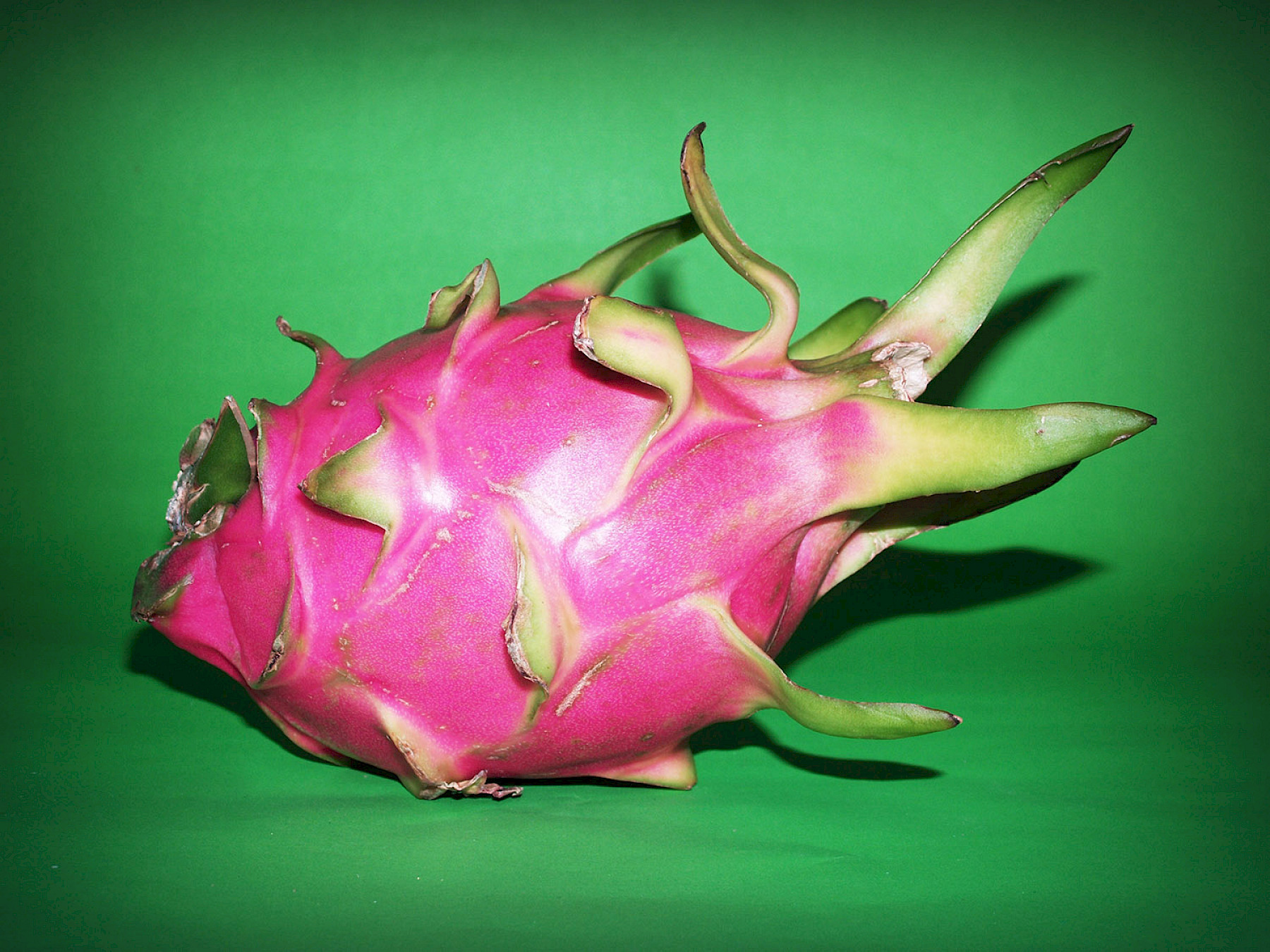
| Vietnam | Pitahaya (dragon fruit) (food - fresh of chilled) | 10% | ex 0810 90 20 (10) |
| India | Curry Leaves (Bergera/ Murraya koenigii)(food - fresh, chilled, frozen or dried) | 20% | ex 1211 90 86 (10) |
| Turkey | Vine Leaves (food) | 20% | ex 2008 99 99 (11,19) |